Understanding CNC Machining: An Overview
CNC machining has transformed the manufacturing landscape by providing precision, efficiency, and flexibility in producing components across various industries. As a process that uses computer-controlled machines to automate manufacturing tasks, CNC machining helps in the creation of remarkably intricate parts by removing material from a workpiece. With its adoption in numerous sectors, particularly in the production of cnc machined stainless steel parts, CNC technology ensures the consistent quality and precision required for modern engineering applications.
What is CNC Machining?
CNC stands for Computer Numerical Control, which refers to the automation of machine tools through the use of a computer. CNC machines interpret computer-aided design (CAD) files and execute cutting, milling, and drilling operations with remarkable accuracy. This technology allows manufacturers to produce parts that meet complex geometries and tight tolerances, enhancing both production quality and efficiency.
History and Evolution of CNC Technology
The origins of CNC machining date back to the 1940s when the first prototype was developed using punched cards to control machine tools. Over the decades, CNC machines have evolved significantly, moving from simple contouring tools to advanced multi-axis systems capable of executing complex tasks with minimal human intervention. The advent of digital technology in the 1980s played a crucial role, allowing for more sophisticated programming and heightened precision.
Key Benefits of CNC Machining for Stainless Steel
- Precision: CNC machining provides unparalleled precision, vital for manufacturing parts that need to fit tightly within assemblies.
- Consistency: Automated processes ensure that each part produced is identical, reducing defects and waste.
- Material Efficiency: CNC machining maximizes material use, with precise cutting minimizing waste.
- Flexibility: Changing designs or producing small batch runs is quick and cost-effective, making it ideal for custom manufacturing.
Types of Stainless Steel Used in CNC Machining
Characteristics of Different Stainless Steel Grades
Stainless steel is categorized into several grades, each with its unique properties suitable for different applications. For example, 304 stainless steel is widely used due to its excellent corrosion resistance and formability, while 316 stainless steel offers enhanced resistance to chloride corrosion, making it ideal for marine applications. Understanding these properties is crucial when selecting materials for CNC machined parts.
Choosing the Right Grade for CNC Parts
When selecting a stainless steel grade for machining, factors such as tensile strength, corrosion resistance, and machining capabilities are pivotal. Grades like 304 and 316 are popular due to their all-around performance, while others, like 430 stainless steel, are chosen for their magnetic properties and lower cost. The choice of material depends on the specific operational conditions the parts will face, including environmental factors such as temperature and chemical exposure.
Corrosion Resistance and Durability Factors
CNC machined stainless steel parts excel in environments where corrosion resistance and durability are imperative. This includes high-pressure applications and situations where parts are exposed to harsh chemicals. Factors that influence corrosion resistance include the alloy composition, surface finish, and environmental conditions, emphasizing the importance of selecting the right stainless steel grade and treatment process for longevity.
Advanced CNC Techniques for Precision Parts
CAD/CAM Integration in CNC Machining
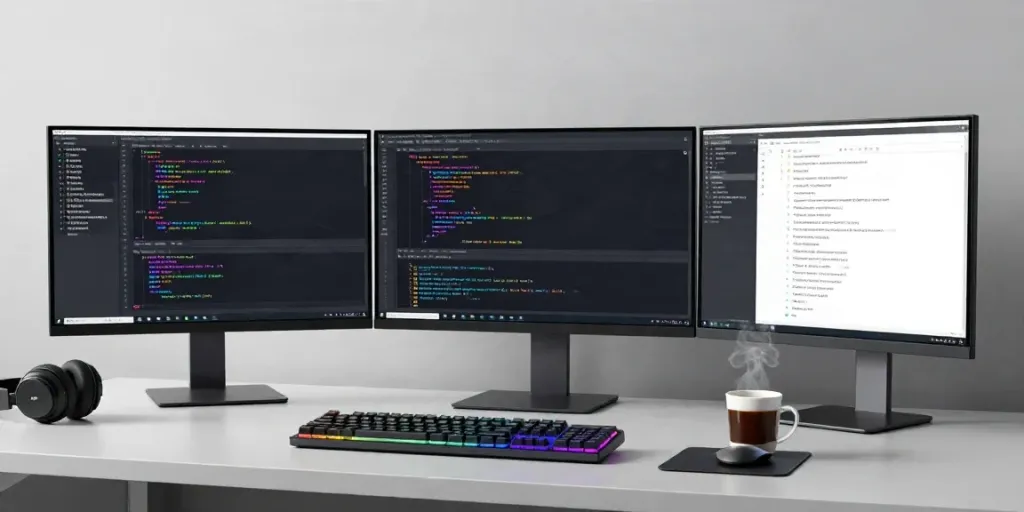
The integration of Computer-Aided Design (CAD) and Computer-Aided Manufacturing (CAM) systems is vital in the CNC machining process. CAD software allows engineers to create detailed 3D models of parts, while CAM software translates these models into machine instructions. This synergy enhances precision, expedites production timelines, and offers greater control over the quality of the final products.
Machining Complex Geometries: Challenges and Solutions
Some of the most significant challenges in CNC machining arise when dealing with complex geometries that require multiple setups or unique tooling. Techniques such as 5-axis machining and multi-tool setups are employed to achieve intricate designs without sacrificing accuracy. Additionally, advanced simulation tools help in predicting machining outcomes and avoiding complications before actual production begins.
Quality Control Protocols for Precision Engineering
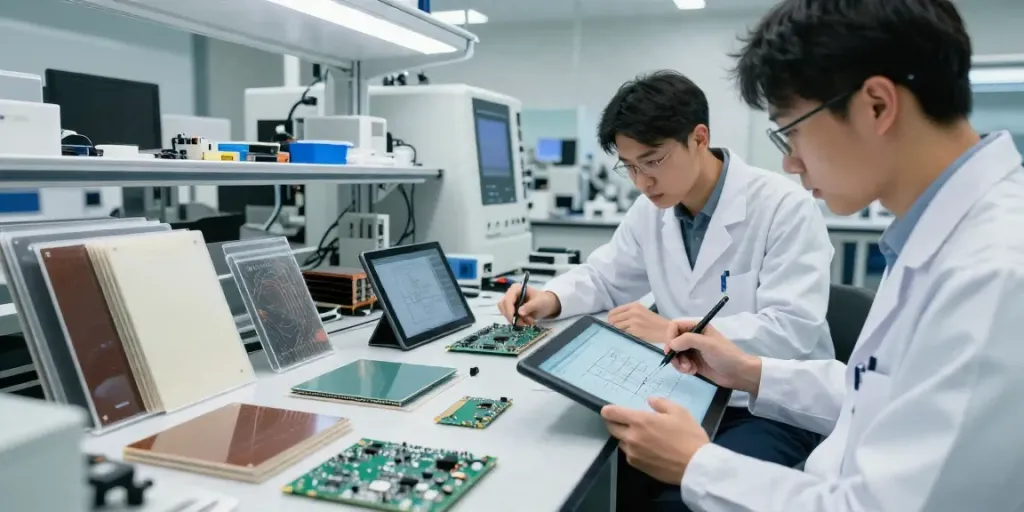
Quality control (QC) is integral to ensuring that CNC machined parts meet stringent specifications. Protocols often include the use of coordinate measuring machines (CMM) and various inspection methods to monitor part dimensions, surface finish, and material integrity throughout the production process. Implementing ISO standards and continuous improvement programs can enhance QC outcomes, leading to higher customer satisfaction.
Applications of CNC Machined Stainless Steel Parts
CNC Stainless Steel Parts in Medical Devices
The medical industry relies heavily on CNC machined stainless steel parts due to their excellent properties such as biocompatibility and resistance to sterilization processes. Applications range from surgical instruments and implantable devices to diagnostic equipment. These components require not only precision but also adherence to strict regulatory standards, making expert machining services essential.
Food Processing Equipment Standards
In the food processing industry, stainless steel parts are preferred for their ability to resist corrosion and ensure hygiene. The rigorous standards set by health and safety regulations necessitate robust parts that can withstand frequent cleaning and sterilization without degradation. CNC machining plays a crucial role in meeting these standards effectively.
Chemical Industry Applications and Benefits
CNC machined stainless steel parts are a cornerstone in the chemical industry, where they are subjected to aggressive environments. Their ability to resist wear from chemical reactions while maintaining structural integrity under extreme conditions makes them indispensable. Applications include fittings, valves, and other essential components that require high resistance to corrosion.
Choosing the Right Partner for CNC Machining
Evaluating Capabilities and Experience
Selecting a CNC machining partner involves evaluating their technical capabilities, experience, and portfolio. Leading companies should demonstrate expertise in working with specific materials, such as stainless steel, and have the right certifications. An established history of successful projects can help in assessing their reliability and skill level.
Importance of Quality Assurance in CNC Services
Quality assurance is critical in CNC machining to maintain standards and meet customer expectations. A reputable machining partner should implement robust QA practices, including regular audits of machinery and processes, to ensure consistency and reliability of the machined parts. This ensures that all components adhere to necessary specifications and regulatory requirements.
Custom Solutions for Unique Project Needs
Every project may present unique requirements, necessitating tailored solutions to meet specific challenges. An effective CNC machining partner should be flexible in their approach, offering customization options that consider design complexity, material selection, and production timelines. Such adaptability is vital for maintaining efficiency and achieving results that meet unique project demands.
FAQs
Can stainless steel be CNC machined?
Yes, stainless steel is widely used in CNC machining due to its favorable properties, including strength and corrosion resistance, making it an ideal choice for various applications.
What is the cost of CNC machining stainless steel?
The cost of CNC machining stainless steel varies based on factors such as the complexity of the part, the choice of material, tooling, and production volume. For accurate estimates, potential clients should consult with machining professionals.
How can I ensure the quality of machined parts?
Ensuring the quality of machined parts involves selecting a reputable CNC machining service with stringent quality control protocols, such as regular inspections and adherence to industry standards.