Understanding Water Treatment Equipment
Water treatment equipment plays a crucial role in maintaining the quality of water used across various industries. As the demand for clean, safe, and sustainable water continues to grow, industries are increasingly relying on advanced water treatment solutions to ensure compliance with environmental regulations and to meet operational needs effectively. A proficient Water Treatment Equipment Manufacturer can provide the necessary tools and technology to achieve these goals.
What is Water Treatment Equipment?
Water treatment equipment encompasses a wide range of technologies and systems designed to improve water quality by removing contaminants, regulating pH levels, and ensuring safe water for various applications. These systems are critical in sectors such as municipal water supply, industrial processes, agriculture, and environmental conservation. They typically utilize a variety of processes, including filtration, disinfection, and chemical treatment, to ensure that water meets specific quality standards.
Key Components of Effective Systems
- Filtration Systems: These components remove suspended solids and microorganisms through various methods such as sedimentation, microfiltration, and ultrafiltration.
- Disinfection Units: Often using chlorine, ozone, or ultraviolet light, these systems eliminate pathogens to safeguard public health.
- Chemical Dosing Equipment: Automated systems that accurately dispense necessary chemicals to adjust water quality parameters.
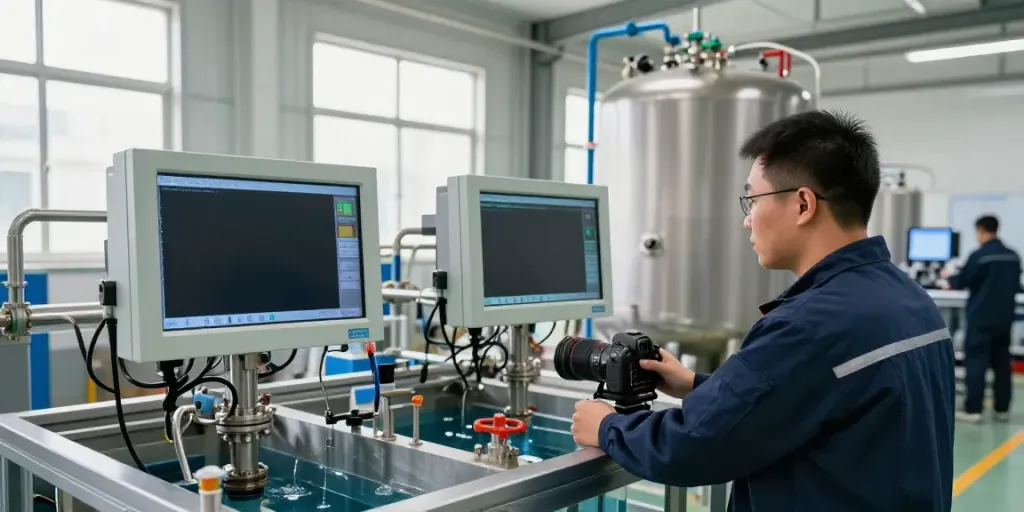
- Monitoring and Control Systems: Advanced technologies that utilize sensors and automated controls to continuously monitor water quality and adjust treatment processes accordingly.
Benefits of Modular Water Treatment Solutions
Modular water treatment systems offer several advantages over traditional setups. Their prefabricated design allows for quicker installation, reduced operational costs, and improved scalability. These systems can also be tailored to meet specific water treatment requirements, making them ideal for various scenarios, including temporary installations and projects with space constraints.
Choosing the Right Water Treatment Equipment Manufacturer
Selecting a reliable water treatment equipment manufacturer is critical to ensuring the success of your water treatment projects. The right partner will not only provide high-quality products but also offer expertise and support throughout the project lifecycle.
Factors to Consider When Choosing a Manufacturer
- Product Quality: Assess the quality and reliability of the manufacturer's equipment through certifications, testing results, and industry standards compliance.
- Customization Capabilities: A reliable manufacturer should be able to provide equipment tailored to specific industry needs and water quality challenges.
- Technical Support: Ensure that the manufacturer offers robust technical support services, including installation guidance, maintenance, and troubleshooting assistance.
- Reputation and Experience: Consider the manufacturer's track record in the industry and their experience with projects similar to yours.
Evaluating Manufacturer Experience and Reputation
When considering a manufacturer, it's essential to evaluate their experience in the industry. Look for companies that have successfully completed projects similar to yours and have a history of positive customer interactions. Testimonials, case studies, and industry reputation can provide valuable insights into the manufacturer's reliability and capability.
Analyzing Customer Testimonials and Case Studies
Customer testimonials and case studies can offer firsthand accounts of a manufacturer's effectiveness and service quality. Analyzing these resources will help you gauge how the manufacturer has performed in real-world scenarios and whether they can deliver on their promises.
Innovative Technologies in Water Treatment Systems
The water treatment equipment industry is continuously evolving, driven by the need for more efficient, effective, and environmentally friendly solutions. Keeping abreast of innovative technologies can help businesses make informed decisions about their water treatment strategies.
Emerging Trends in Water Treatment Equipment
- Smart Technology Integration: The incorporation of IoT devices and smart technology allows for real-time monitoring and control of water treatment processes, enhancing efficiency and responsiveness.
- Sustainable Practices: Manufacturers are focusing on environmentally friendly technologies that reduce chemical usage and energy consumption while maximizing water reuse.
- Advanced Filtration Techniques: New filtration technologies, such as nanofiltration and membrane bioreactors, provide higher efficiency in contaminant removal, ensuring cleaner water.
The Role of Automation and Smart Technology
Automation in water treatment systems significantly enhances operational efficiency and safety. Integrating smart technology allows for the continuous monitoring of critical parameters, enabling real-time adjustments and minimizing human intervention. This transition to automated systems not only reduces the risk of errors but also optimizes resource usage, resulting in lower operational costs.
Advanced Sensor Technologies in Water Quality Monitoring
Advanced sensors play a pivotal role in ensuring water quality by providing accurate and timely data on various parameters such as turbidity, pH, and chemical concentrations. These sensors help operators respond promptly to any deviations from acceptable levels, ensuring compliance with health and safety regulations.
Applications Across Industries
Water treatment solutions are indispensable across multiple industries, each requiring tailored approaches to meet specific water quality demands. Understanding these applications can help organizations select the appropriate technologies and systems.
Water Treatment Solutions for the Chemical Industry
In the chemical industry, water treatment is crucial for ensuring process efficiency and compliance with environmental regulations. Specialized equipment is required to handle specific contaminants and process requirements. Solutions may include advanced filtration systems, chemical dosing equipment, and thorough monitoring capabilities to ensure that effluent meets regulatory standards.
Modular Systems in the Food and Beverage Sector
The food and beverage sector utilizes modular water treatment systems to ensure safe water free from contaminants, which is imperative for product safety and quality. Modular systems allow for flexibility in sizing and configuration, enabling manufacturers to scale their operations while maintaining high standards of water quality.
Customized Solutions for Municipal Needs
Municipal water treatment plants face unique challenges, including varying water sources and regulatory requirements. Custom solutions, including containerized systems and integrated chemical processes, provide municipalities with the ability to address specific local needs effectively while managing costs and resources.
Future of Water Treatment Equipment Manufacturing
The landscape of water treatment equipment manufacturing is poised for considerable change over the next few years. Key trends and developments will shape the future of this industry.
Environmental Standards and Regulatory Compliance
As environmental regulations become more stringent, manufacturers will need to focus on developing equipment that not only meets but exceeds these standards. This shift will drive innovation in technologies that ensure better treatment outcomes and reduced environmental impact.
Predictions for Industry Advances by 2026
- Increased Automation: A greater shift towards automated systems is expected, incorporating AI and machine learning to predict maintenance needs and optimize performance.
- Enhanced Sustainability: Technologies aimed at reducing the environmental footprint of water treatment processes will become increasingly prevalent.
- Greater Customization: Manufacturers will likely focus on providing highly customized solutions tailored to specific industry needs and environmental conditions.
Long-term Sustainability Considerations
Long-term sustainability in water treatment will require an ongoing commitment to innovation and the adoption of practices that reduce waste and promote water reuse. Manufacturers that prioritize sustainable practices will not only enhance their competitiveness but also contribute positively to global water security.
What are the largest water treatment companies?
The largest water treatment companies around the world, such as Veolia, SUEZ, and Xylem, set industry standards through their innovative practices and extensive experience. These companies have the capacity to meet diverse water treatment needs across various sectors.
Who makes the best water treatment system?
The "best" water treatment system can vary based on specific needs, but leading manufacturers are known for their reliability, efficiency, and customer support. Companies that prioritize innovation and sustainability tend to offer superior products.
What are some major water treatment companies in the USA?
In the USA, several prominent water treatment companies operate extensively, including Ecolab, Aqua America, and Pentair. These companies are renowned for their commitment to quality and customer service in providing water treatment solutions.