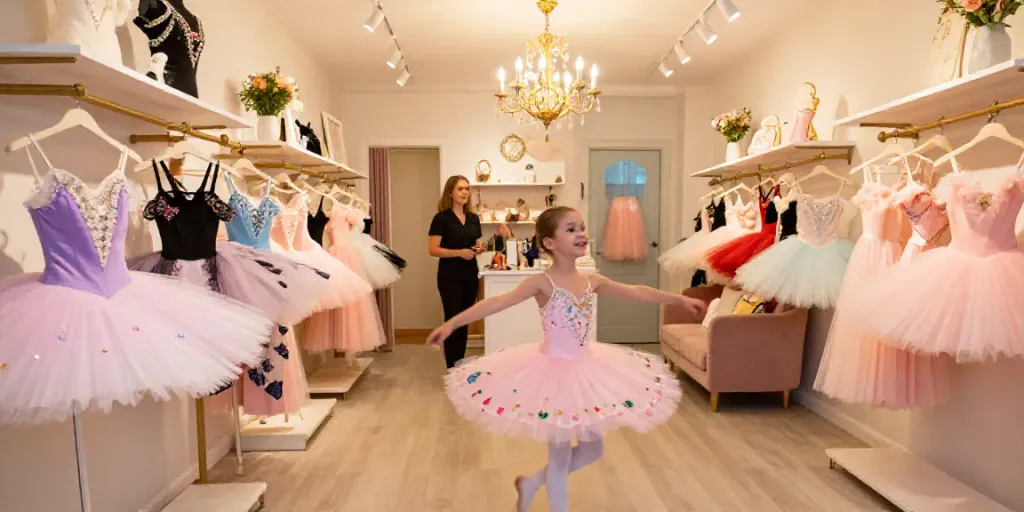
Understanding Tutu Types and Styles
Tutus have long held a special place in the worlds of ballet and fashion. As a versatile garment, the tutu serves not just as a performance costume but also as a statement piece in trendy wardrobes. At tutu-store.com, various styles are available to cater to an array of preferences, ensuring that both dancers and fashion enthusiasts can find the perfect piece. Understanding the different types of tutus and how to choose one that suits your needs is crucial for both performance and style.
What Are the Different Types of Tutus?
Tutus come in various styles, each serving a different purpose and aesthetics. The most common types include:
- Classical Tutus: Characterized by their stiff, tulle layers, classical tutus are typically worn by ballet dancers. They offer a timeless look and provide a full silhouette, crucial for traditional performances.
- Ballet Tutus: Similar to classical tutus but often made with softer fabrics, ballet tutus are designed for more contemporary ballet performances. They allow for greater freedom of movement and comfort.
- Romantic Tutus: These tutus are longer, often reaching the ankle or floor. They are usually made of softer materials and are popular in romantic ballet performances.
- Fashion Tutus: Used in modern fashion contexts, these tutus can vary greatly in length, materials, and embellishments. They often incorporate vibrant colors and unique designs that appeal to fashionistas.
How to Choose the Right Tutu Style for Your Needs?
Selecting the correct tutu depends on several factors, including the intended use, the type of dance, and personal taste. When considering a tutu for ballet, think about the type of performance and whether you need a classical or ballet tutu. For fashion purposes, consider your body type and what style complements it best. Additionally, always consider the color and fabric that appeals to you, as these elements can significantly influence the overall look.
Common Misconceptions About Tutu Fabrics
Many believe that all tutus are made from the same rigid tulle fabric, but that isn’t the case. While traditional tutus use stiffer materials to create volume, many modern tutus utilize softer fabrics such as chiffon, organza, or even cotton blends for comfort and ease of movement. Understanding these distinctions can help in making an informed decision when purchasing a tutu, especially for those who require flexibility in their garments.
Fit and Comfort: How to Get It Right
Achieving the perfect fit in a tutu is paramount for both comfort and performance. A poorly fitted tutu can hinder movement, distract from dance techniques, and diminish overall aesthetic appeal. Hence, understanding how to measure correctly and what materials to opt for is essential.
Measuring for the Perfect Tutu Fit
To ensure your tutu fits properly, begin by taking your measurements accurately. The key measurements include the waist, hips, and the length of the tutu from the waist to the desired hem. Use a soft measuring tape and take measurements while standing up, as it allows for a more accurate depiction of how the tutu will fit during movement.
Materials to Prioritize for Comfort and Movement
When selecting a tutu, prioritize materials that allow for breathability and movement. Fabrics like Lycra and spandex blends provide stretch without losing shape, making them ideal for active use. Additionally, look for tutus that are lined, as this can improve comfort significantly, particularly in performance contexts.
Adjusting Sizing: What You Need to Know
Many tutus come with adjustable waistbands or can be altered by a tailor for a more fitted look. Always consult size charts before purchasing, and if you're between sizes, it's often best to opt for the larger size and make adjustments as necessary to avoid discomfort.
Shopping Tips for Tutu Enthusiasts
Buying a tutu, whether online or in-store, can be a daunting task due to the vast array of options available. Understanding how to navigate the shopping process can lead to a satisfying purchase.
Where to Buy Quality Tutus Online
There are numerous retailers online specializing in tutus. Look for reputable websites like tutu-store.com that offer a variety of styles and sizes, alongside detailed descriptions and customer reviews. This transparency can help ensure you make an educated purchase.
How to Identify Authentic Boutique Tutu Stores
Authenticity in tutu shopping is crucial, especially for dancers. Look for dedicated dancewear boutiques or websites that specialize in tutus. Check customer service availability, return policies, and quality assurance measures. Reading customer testimonials can also provide insights into the quality of products offered.
Reading Reviews and Testimonials Effectively
When shopping for tutus, pay close attention to customer reviews. Look for mentions of sizing accuracy, material quality, and overall satisfaction. Reviews that include photos can be especially helpful, providing a more realistic view of how the tutu looks in real life.
Care and Maintenance of Your Tutu
To prolong the life of your tutu, proper care and maintenance are essential. Ignoring fabric care can lead to premature wear and tear.
Cleaning Tips for Tutu Longevity
Most tutus can be hand washed in cold water with gentle detergent. Avoid machine washing unless specified, as this can damage the structure and fabric of the tutu. After washing, reshape and lay the tutu flat to dry to maintain its form.
Best Storage Practices to Preserve Shape
To keep your tutu in pristine condition, store it properly. Use a padded hanger to avoid creasing or damage. If it’s a multi-layered tutu, consider using a garment bag to protect it from dust and potential snags.
Repairing Common Tutu Damages
Regular wear can lead to minor damages like torn layers. It’s best to mend these issues quickly. For small tears, needle and thread can work wonders. If the damage is more extensive, consider consulting a professional tailor experienced with dance costumes.
Trends in Tutu Fashion for 2026
The world of tutu fashion is constantly evolving, with trends shifting year by year. Staying updated on these trends is essential for both dance and fashion enthusiasts.
Emerging Styles and Colors in Tutu Designs
In 2026, expect to see an influx of bold colors and innovative designs. Pastel hues paired with metallic embellishments are on the rise, offering a fresh take on traditional styles. Additionally, asymmetrical hems and mixed materials are becoming increasingly popular.
Influence of Social Media on Tutu Trends
Social media platforms like Instagram and TikTok have significantly influenced tutu fashion. Influencers showcasing unique styling tips have made tutus more accessible and appealing to broader audiences, encouraging a revival in their popularity.
What to Expect in Tutu Fashion Over the Next Decade
As fashion continues to evolve, tutus are likely to integrate more technology and sustainability in their production. Expect to see tutus made from recycled materials and those that include smart fabrics designed to enhance performance and comfort.
What Are the Most Asked Questions About Tutus?
Common inquiries often revolve around sizing, fabric choice, and maintenance. Many new buyers are curious about the best practices for cleaning and storing their tutus, as well as the differences between performance and fashion tutus.
How to Accessorize Your Tutu for Different Events?
Accessorizing a tutu can significantly enhance its appeal. For ballet performances, minimalistic accessories such as classic ballet shoes and hairpieces are ideal. For fashion events, bold jewelry, colorful shoes, and even themed bags can create a statement ensemble.
Are Custom Tutus Worth the Investment?
Investing in a custom tutu can be worthwhile, especially if you have specific design ideas or fit requirements. A custom tutu ensures that the garment will meet your personal standards for performance and aesthetic quality, providing a unique look tailored just for you.
How to Choose a Tutu for Different Dance Styles?
When selecting a tutu for various dance styles, consider the requirements of that style. For classical ballet, opt for a more structured tutu, while contemporary or jazz may benefit from softer fabrics and looser fits for movement.
What Should Beginners Know About Tutu Sizing?
Beginners should familiarize themselves with sizing charts and may consider a size up for comfort, especially for younger dancers still in a growth phase. Understanding body measurements and how they translate to tutu sizes is crucial in making an appropriate selection.