Understanding Ceiling Speakers: A Comprehensive Overview
Ceiling speakers, also known as flush-mounted speakers, are an increasingly popular audio solution for modern homes and commercial spaces. Designed to be discreetly installed in ceilings, these speakers offer a seamless aesthetic while delivering high-quality audio. With their ability to blend into the environment, ceiling speakers provide an efficient way to enhance sound in various settings without the clutter of traditional loudspeakers. When exploring options, اسپیکر سقفی provides comprehensive insights into the latest models, technologies, and installation techniques to ensure you make the best choice for your space.
What are Ceiling Speakers?
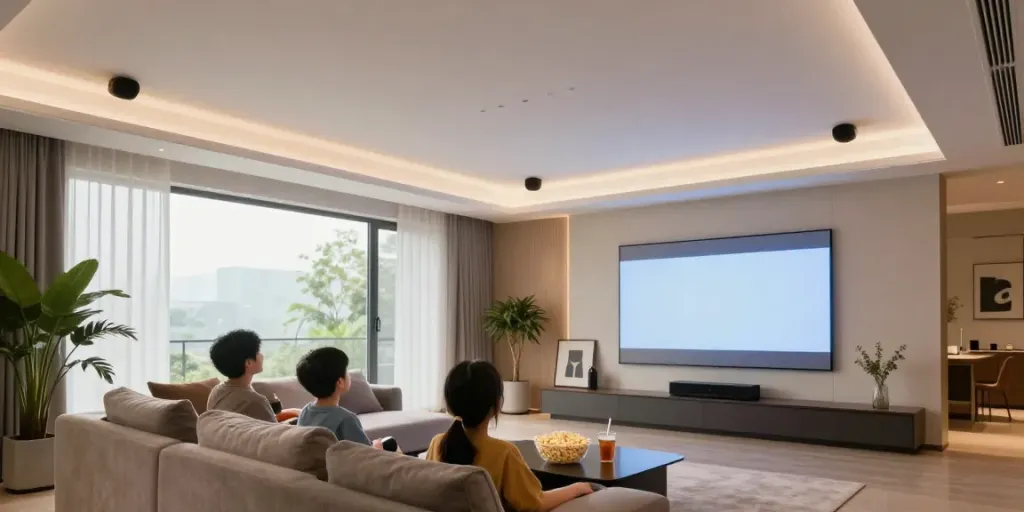
Ceiling speakers are audio devices that are designed to be installed into the ceiling rather than placed on a shelf or on the floor. They are often used in home theater systems, commercial audio applications, and in environments where aesthetic appeal is paramount. By integrating within the ceiling, these speakers provide a clean look and can significantly enhance the acoustic experience without taking up floor space.
Types of Ceiling Speakers
- In-Ceiling Speakers: These are fully installed within the ceiling structure, allowing them to remain hidden while delivering sound.
- On-Ceiling Speakers: Mounted directly onto the surface of the ceiling, these speakers are slightly more visible but still offer a minimalist appearance.
- Wireless Ceiling Speakers: Equipped with Bluetooth or Wi-Fi capabilities, these speakers allow users to stream audio without the need for extensive wiring.
- Wired Ceiling Speakers: These models require an audio cable connection, typically offering higher sound quality and reliability.
Benefits of Using Ceiling Speakers in Homes
Ceiling speakers come with several advantages, making them a preferred choice for both homeowners and businesses:
- Space-Saving Design: Since they are built into the ceiling, they do not occupy valuable floor or shelf space.
- Improved Sound Distribution: Positioned strategically, ceiling speakers can disperse sound evenly throughout a room, enhancing the listening experience.
- Aesthetically Pleasing: Their low-profile design contributes to a clean and unobtrusive look in any interior space.
- Versatile Applications: Ideal for various settings, including living rooms, kitchens, bathrooms, and commercial spaces.
Key Features to Look for in اسپیکر سقفی
Sound Quality and Power Output
The sound quality of ceiling speakers is paramount. Look for models with robust power output—typically measured in watts—which determines how loud and clear the sound can be. High-fidelity audio components such as tweeters and woofers contribute to a richer listening experience. Additionally, certain brands offer enhanced sound technologies that can deliver clearer highs and deeper lows.
Wired vs. Wireless Options
When selecting ceiling speakers, consider whether you prefer wired or wireless options. Wired speakers generally provide superior sound quality, particularly in larger spaces. However, wireless speakers offer flexibility and ease of installation, making them an excellent choice for renters or those who want to avoid extensive wiring.
Installation Considerations and Challenges
Installing ceiling speakers can pose unique challenges, such as determining the optimal placement for sound coverage and ensuring existing wall structures can support the weight. Adequate planning and potentially hiring a professional are advisable to avoid common installation pitfalls and ensure the speakers perform optimally.
Choosing the Right اسپیکر سقفی for Your Space
Assessing Room Sizes and Acoustic Needs
The size of the room significantly impacts the type and number of speakers required. Larger spaces may need multiple speakers or higher wattage models to fill the area effectively. Understanding the acoustic properties of your room, including elements like furniture layout and wall materials, will also help determine the best speaker solution.
Optimal Installation Locations
For the best audio experience, consider these installation tips:
- Place speakers away from walls to minimize sound reflections.
- Install speakers at ear level when seated, typically about 8 feet high, for optimal sound.
- Ensure speakers are positioned to cover the main listening area without creating dead zones.
Matching Speaker Types with Room Usage
Different rooms have different acoustic requirements. For instance, a home theater may benefit from high-powered in-ceiling speakers, while a kitchen might only need smaller models that still provide clear sound without overwhelming the space.
Installation Process for Ceiling Speakers
Tools Required for Installation
Installing ceiling speakers typically requires the following tools:
- Drill and drill bits
- Wire stripper
- Fish tape (for running wires)
- Level and measuring tape
- Screwdriver
Step-by-Step Installation Guide
The installation process for ceiling speakers involves several straightforward steps:
- Choose the installation location based on the above guidelines.
- Cut the necessary holes in the ceiling for the speakers and wiring.
- Run wires from your audio source to the speaker locations.
- Securely install the speakers and connect them to the audio source.
- Test the system to ensure sound quality is optimal before closing everything up.
Identifying Common Installation Errors
New installers often make mistakes such as incorrect placement, insufficient power supply, or failing to secure the speaker properly. Taking the time to plan and perhaps consulting a professional can help mitigate these issues and ensure a successful installation.
Future Trends in اسپیکر سقفی Technology
Emerging Technologies in Audio Quality
As technology advances, ceiling speakers are incorporating features like smart connectivity, enhanced sound processing algorithms, and adaptive sound technologies that adjust audio output based on room acoustics. These innovations strive to provide a customized listening experience that was previously unattainable.
Integration with Smart Home Systems
The integration of ceiling speakers with smart home systems is a growing trend. Being able to control your audio environment via voice commands or mobile applications allows for greater convenience and personalization. Expect to see more ceiling speakers designed specifically for compatibility with major smart home platforms.
Expected Changes in Design Preferences by 2026
As home aesthetics continue to evolve, ceiling speakers will likely trend towards even more discreet designs. This includes smaller, wireless models that can be easily concealed without losing sound quality. Additionally, customizable finishes will become popular, allowing homeowners to match speakers with their interior decor seamlessly.
What types of ceiling speakers are best for home theaters?
For home theaters, high-quality in-ceiling speakers with robust power output are recommended to fill larger spaces effectively. Models that offer Dolby Atmos compatibility can enhance the immersive experience of watching movies.
How do I choose the right size of اسپیکر سقفی for my room?
The right size of ceiling speaker largely depends on the size of the room and the desired sound output. Larger speakers generally provide better bass response, whereas smaller speakers can be placed in areas where space is limited.
Can اسپیکر سقفی be installed in outdoor spaces?
Many ceiling speakers are designed for indoor use, but there are outdoor models that are weather-resistant and suitable for areas like patios and porches. Always check the manufacturer's specifications for outdoor suitability.
What are the advantages of wireless اسپیکر سقفی?
Wireless ceiling speakers offer the advantage of easy installation without the need for extensive wiring. They also provide flexibility in speaker placement and can be controlled from various devices.
How do I maintain my اسپیکر سقفی for longevity?
To ensure the longevity of ceiling speakers, regularly clean them to remove dust and debris, inspect wiring for damage, and ensure that the connections remain secure. Avoid exposing them to moisture or extremes of temperature unless they are specifically designed for those conditions.