Understanding Mini Split AC Units
As temperatures rise, maintaining a comfortable indoor climate becomes essential. Among the various cooling solutions available, the mini split AC unit stands out due to its versatility and energy efficiency. These systems offer a unique blend of functionality and comfort, making them an ideal choice for homeowners and businesses alike. When exploring options, mini split ac unit configurations can provide comprehensive insights into energy-saving technologies.
What is a Mini Split AC Unit?
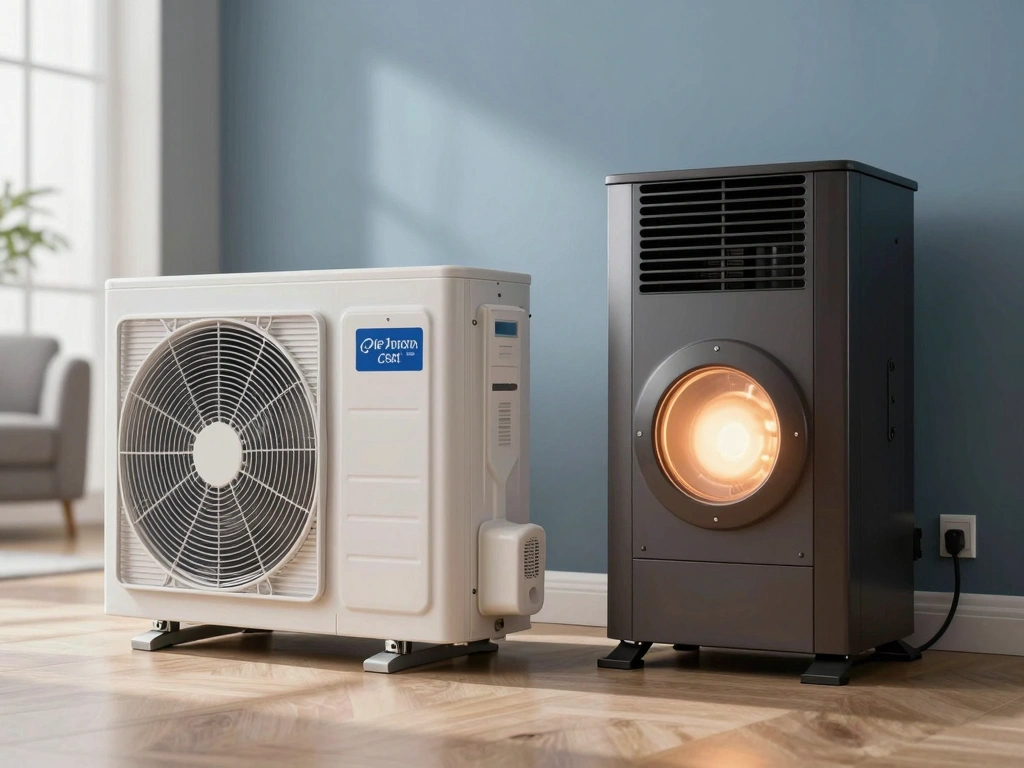
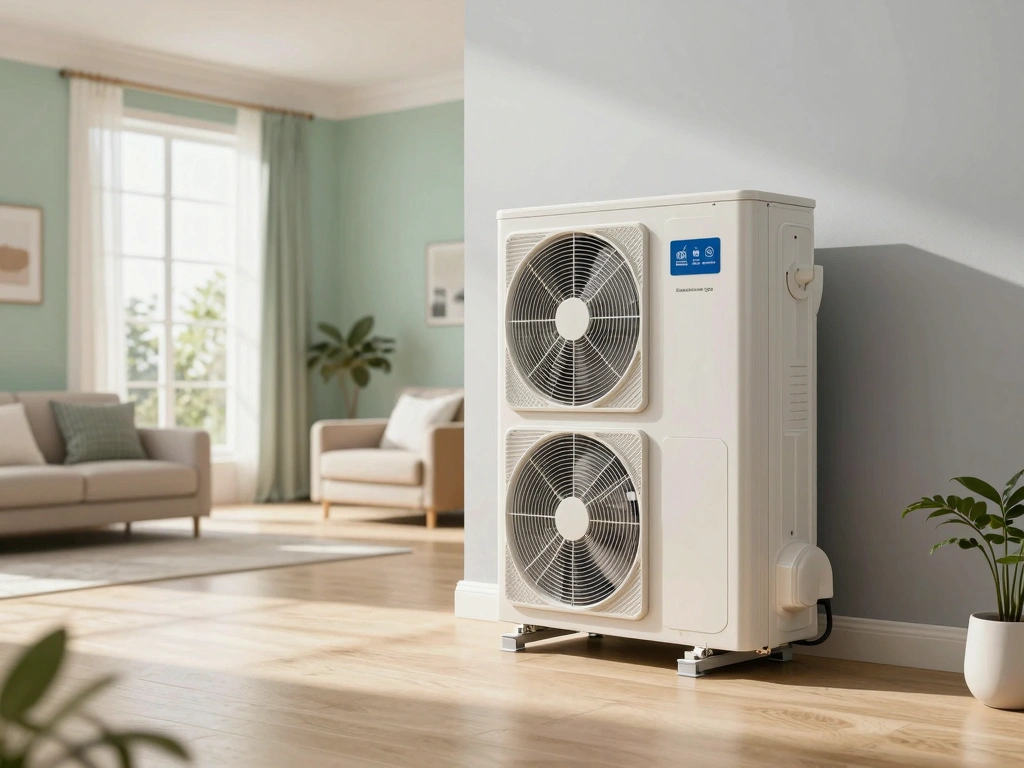
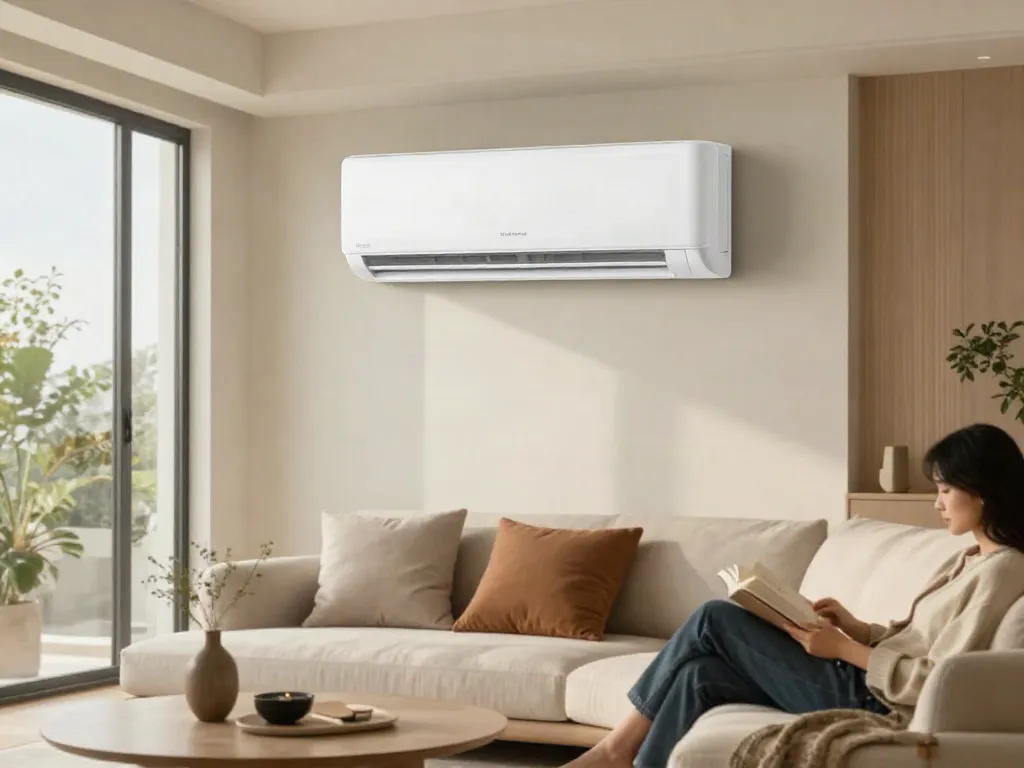
A mini split AC unit is a type of ductless air conditioning system that consists of two main components: an outdoor compressor/condenser unit and one or more indoor air-handling units. Unlike traditional HVAC systems that rely on ductwork to distribute air, mini splits provide targeted cooling and heating directly to specific rooms or zones, enhancing comfort and efficiency.
How Does Mini Split Technology Work?
The operation of a mini split system centers on the principles of refrigeration. The outdoor unit absorbs heat from the outside air and transfers it indoors via refrigerant lines. This process allows the indoor unit to circulate cool air, effectively lowering the temperature in the designated area. Moreover, mini split systems can also function as heat pumps, providing heating during colder months by reversing the refrigeration process.
Benefits of Mini Split Systems
- Energy Efficiency: Mini splits are known for their high energy efficiency ratings, often achieving SEER (Seasonal Energy Efficiency Ratio) ratings above 20.
- Flexibility: These systems can be installed in various configurations, catering to different room sizes and layouts.
- Quiet Operation: Mini split systems tend to operate much more quietly than traditional HVAC units, providing a serene environment.
- Zone Control: The ability to control the temperature in individual rooms allows users to customize comfort based on personal preferences.
Installation Insights for Mini Split AC Units
Best Practices for Installing a Mini Split AC Unit
Proper installation is crucial for maximizing the performance and lifespan of a mini split AC unit. Professional installation is recommended to ensure that the unit is correctly calibrated and that refrigerant lines are sealed properly. Additionally, strategic placement of indoor units can enhance air circulation and efficiency, particularly in rooms with large windows or high ceilings.
Common Installation Mistakes to Avoid
Some common pitfalls during installation include improper sizing of the unit, which can lead to inefficiencies, and positioning units too close to walls or furniture, obstructing airflow. Additionally, neglecting to secure condensate drainage can cause leaks and potential water damage.
Cost Considerations for Installation
The cost of installing a mini split system varies based on factors like the number of zones, complexity of the installation, and local labor rates. On average, homeowners can expect installation costs to range from $3,000 to $10,000. It's essential to obtain quotes from multiple contractors to find the best deal while ensuring quality service.
Energy Efficiency and Savings
How to Maximize Energy Efficiency with Your Mini Split AC Unit
To optimize energy efficiency, consider using programmable thermostats or smart controls that enable you to schedule cooling times based on your occupancy patterns. Regular maintenance, such as cleaning filters and ensuring unobstructed airflow, also plays a significant role in maintaining efficiency.
Comparing Energy Usage: Mini Split vs. Traditional Systems
Mini split systems generally consume less energy than traditional central air conditioning systems. For instance, while central systems may rely on ductwork that can lead to energy losses, mini splits eliminate the need for ducts, reducing overall energy consumption. Studies show that mini split systems can be up to 30% more efficient than traditional units in certain applications.
Understanding Energy Ratings and Efficiency Standards
When evaluating mini split systems, look for energy ratings such as the Energy Efficiency Ratio (EER) and SEER. The higher the rating, the more efficient the system is. In 2026, many manufacturers are focusing on producing mini splits that not only meet but exceed Energy Star standards, ensuring consumers get the most value for their investments.
Maintenance Tips for Optimal Performance
Regular Maintenance Tasks for Mini Split AC Units
Routine maintenance is crucial for the longevity of a mini split system. Homeowners should clean the filters monthly, check the outdoor unit for debris, and schedule annual professional servicing to check refrigerant levels and clean the coils. These practices help prevent breakdowns and maintain efficiency.
Signs Your Mini Split AC Unit Needs Repair
Be vigilant for warning signs that your mini split system may require repair, such as unusual noises, inconsistent cooling, and increased energy bills. Addressing these issues promptly can prevent more significant and costly repairs down the line.
DIY vs. Professional Maintenance: What You Need to Know
While some maintenance tasks can be performed by homeowners, others require professional expertise. For instance, changing filters and cleaning the outdoor unit are manageable tasks, but refrigerant handling should always be left to certified HVAC technicians due to safety and regulatory concerns.
Future Trends in Mini Split Technology
Emerging Features of Mini Split AC Units in 2026
Looking ahead, mini split AC units are expected to incorporate advanced technologies such as variable speed compressors and eco-friendly refrigerants. These features will enhance efficiency and reduce environmental impact, paving the way for more sustainable cooling solutions.
The Role of Smart Technology in Climate Control
Smart home integration is rapidly reshaping the HVAC landscape. Many mini split units now come equipped with Wi-Fi connectivity, allowing homeowners to control their systems remotely via smartphones. Features like predictive maintenance alerts and automated scheduling are also becoming standard, ensuring optimal performance with minimal effort.
Market Predictions for Mini Split AC Units
By 2026, the demand for mini split systems is expected to grow significantly as more consumers seek energy-efficient solutions. Innovations in design and technology will likely drive this trend, making mini splits a primary choice for cooling both residential and commercial spaces.